Elevate Your Projects with Abstract Light Fibers Backgrounds
A Dynamic Asset for Modern Creators
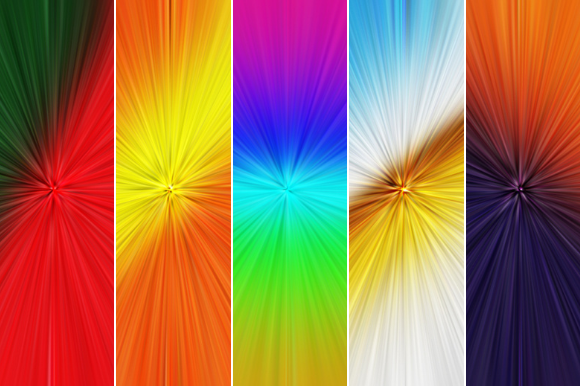
In the constant search for assets that deliver both impact and versatility, designers and creators often find themselves navigating a sea of generic options. The Abstract Light Fibers Backgrounds V1 collection steps in to fill that gap, offering a distinct visual language that speaks to contemporary aesthetics. This isn't just a set of images; it's a toolkit for building atmosphere. The collection features five JPEG files, each a substantial 12x12 inches at a high-resolution 300 DPI, ensuring crisp, professional results whether you're working on a digital screen or a printed piece.
So, what defines the visual personality of this collection? Imagine intricate, flowing strands of light that seem to weave and pulse against deep, moody backgrounds. The style balances a sense of organic movement with a clean, digital precision. It feels both ethereal and structured, making it a compelling choice for projects that need to convey innovation, clarity, or a touch of futuristic elegance. The RGB color mode guarantees vibrant, screen-ready hues, making these backgrounds particularly potent for digital-first projects.
Practical Applications Across Creative Disciplines
The true value of a design asset lies in its adaptability. Abstract Light Fibers Backgrounds V1 offers a surprising range of applications. For web design, these images can transform a hero section from bland to breathtaking, setting an immediate tone for a tech startup, a creative agency, or a digital portfolio. The flowing light fibers can guide the user's eye naturally toward a call-to-action or a key piece of content.
In the realm of social media graphics, where capturing attention in a split second is paramount, these backgrounds provide instant visual intrigue. Use them for Instagram story templates, YouTube channel art, or LinkedIn banners to establish a sophisticated and consistent brand presence. The textures are complex enough to look premium but clean enough not to overwhelm accompanying text or logos.
For print and packaging design, the 300 DPI resolution and generous 12x12 inch dimensions are a major advantage. They can serve as the foundational layer for a luxury product box, a high-end brochure, or an event poster. The abstract nature allows for easy cropping and adaptation to various formats without losing the core aesthetic. Similarly, editorial designers can use these backgrounds to add a layer of depth and modernity to magazine layouts, book covers, or report covers, especially for topics related to technology, science, or future trends.
Even for personal projects, the collection shines. It can elevate a personal blog, make a digital invitation feel special, or provide a unique backdrop for a hobbyist's digital art. The key is recognizing its strength: it adds a layer of professional polish and visual sophistication that is difficult to achieve with basic tools.
Integrating the Backgrounds into Your Brand Identity
When considering these backgrounds for a brand identity, consistency is your guiding principle. Using Abstract Light Fibers Backgrounds V1 across multiple touchpoints—from your website to your social media headers and presentation slides—can create a powerful and recognizable visual signature. The abstract quality allows it to support rather than compete with your primary logo and typography.
However, thoughtful application is crucial. The dynamic nature of the fibers means they are best used as a supporting element. Overusing them or placing them behind dense paragraphs of body text can harm readability. They excel as section dividers, header backgrounds, or featured image bases where they can complement a bold display font or a clean sans serif font for headings. Always test your chosen font pairing over the background to ensure sufficient contrast and legibility.
From a marketing perspective, these assets can help communicate a brand's values. The flowing light can symbolize connectivity, innovation, or clarity—concepts that resonate in tech, consulting, and creative fields. Using them in ad graphics or pitch decks can subconsciously reinforce these messages to your audience.
A Guide to Effective Implementation
Before diving in, take a moment to evaluate if this specific aesthetic aligns with your project's goals. The style is distinctly modern and somewhat abstract, so it may not suit a brand rooted in rustic warmth or traditional heritage. For those where it fits, here’s how to work with it effectively:
- Test Font Pairings Aggressively: Don't assume. Overlay your brand's headline and body fonts on a sample background. See how different weights and sizes interact. Often, a semi-bold weight with good letter spacing will hold up better than a thin, delicate script font.
- Use for Key Moments: Instead of a full-page background, consider using it for a single, powerful header. Or create a gradient mask to fade the fibers into a solid color where text needs to live.
- Color Adjustments are Your Friend: While the provided RGB files are vibrant, you can easily adjust the hue, saturation, or brightness in your design software to better match your brand's color palette. A subtle shift can make it uniquely yours.
- Understand the File Format: As JPEG files, they are ideal for photographic-quality imagery. Be mindful of file size for web use and optimize them accordingly. For projects requiring transparency, you would need to adapt them in a tool like Photoshop, but for most background applications, JPEG is perfect.
- Commercial Confidence: Always verify the specific licensing terms included with your purchase to ensure it covers your intended use, whether for a personal blog or a client's commercial campaign. A clear license provides peace of mind and protects your work.
Ultimately, Abstract Light Fibers Backgrounds V1