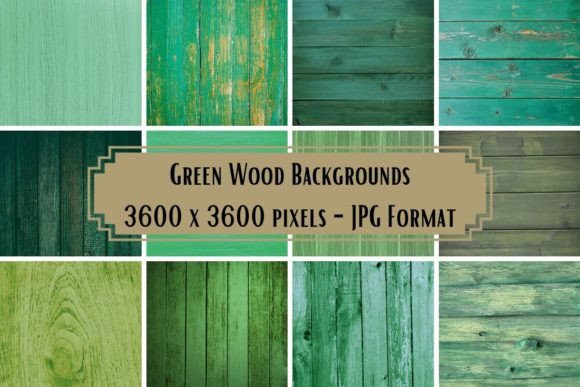
Green Wood Backgrounds: 12 Textures for Natural Projects
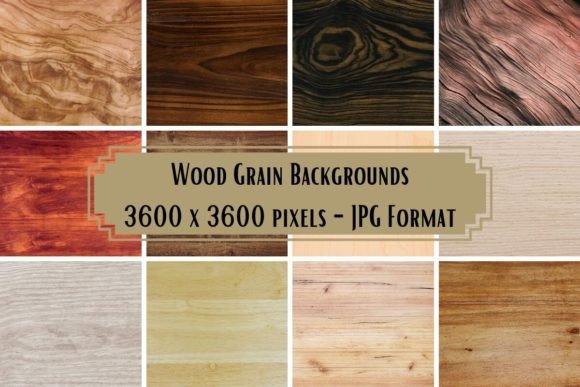
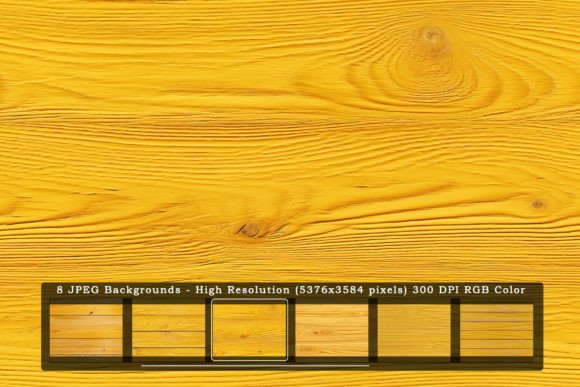
Sometimes, the most powerful design element isn't a flashy graphic or a complex font. It's a texture that grounds the entire composition, offering a sense of authenticity and warmth. That's the role a high-quality wood texture plays, and this collection of Green Wood Backgrounds delivers exactly that. It’s not just about filling a space; it’s about setting a mood. The subtle grain, the organic variations, and the muted, earthy green tones create an immediate feeling of rustic charm, nature, and handcrafted quality.
Visually, these backgrounds strike a perfect balance. They aren't overly distressed or rough, which keeps them versatile. Instead, they present a smooth, refined wood grain with a gentle, natural color palette. Think of the soft green of moss on an old forest log or the weathered patina of a garden gate. This personality makes them ideal for projects that want to convey sustainability, growth, tranquility, or a connection to the outdoors. The style is inherently adaptable, feeling equally at home in a cozy, personal craft and a polished, professional brand identity.
Practical Applications for Every Creator
The true value of these Green Wood Backgrounds lies in their real-world utility. As a set of 12 high-resolution (300 dpi) 12x12 inch JPGs, they are perfectly sized for a vast range of print and digital projects. For crafters and hobbyists, they are a dream for scrapbooking layouts, providing a beautiful, textured base for photos and memorabilia. The consistent quality across the set allows for cohesive multi-page projects. For invitations and card making, a green wood background instantly elevates a simple design, making it feel more substantial and thoughtful.
For designers, marketers, and small business owners, the applications expand significantly. These textures are excellent design assets for creating compelling social media graphics. A quote overlay or a product announcement gains depth and visual interest when placed on a natural wood texture. In packaging design, a subtle wood grain can reinforce a brand's commitment to natural ingredients or artisanal craftsmanship. For a brand's logo design or brand identity system, a texture like this can be used as a background for business cards, letterheads, or website hero sections to build a consistent, recognizable aesthetic.
Integrating Texture into Your Design Strategy
Using a textured background effectively requires more than just slapping it behind your text. It’s a component of your overall visual hierarchy. The key is to ensure your foreground elements—whether they are using a serif font, sans serif font, or even a script font—have enough contrast to remain perfectly readable. A light cream or off-white text often works beautifully against the mid-tone green, providing clarity without harshness. This careful consideration of contrast is what separates a professional layout from an amateur one.
When thinking about font pairing with these backgrounds, lean into their personality. A clean, modern sans serif font can create an interesting juxtaposition, making the natural texture feel fresh and contemporary. Alternatively, pairing it with a gentle handwritten font can amplify the organic, personal feel for a project like a wedding invitation or a boutique's branding. The texture itself becomes part of your brand identity, contributing to audience engagement by evoking specific emotions and associations. Before committing, always test your chosen typeface and color palette directly on one of the backgrounds to evaluate the fit and ensure the final product maintains a high level of professionalism.
This collection is a practical toolkit. The included variety allows you to select the grain intensity and color saturation that best suits your specific need, whether you're designing a web design banner, an editorial design spread, or a series of print materials. By using these Green Wood Backgrounds thoughtfully, you're not just adding a decorative layer; you're investing in a foundational element that enhances consistency, strengthens visual storytelling, and connects with your audience on a tactile, emotional level.