Unlocking Visual Depth with Abstracted Magic Pattern Backgrounds
There is a distinct challenge in modern design where standard gradients and solid colors often fail to convey a sense of mystery or depth. If you are working on a project that requires a touch of the surreal or a complex layer of texture, standard stock photos can look generic. This is where Abstracted Magic Pattern Backgrounds enter the conversation. These are not just simple decorations; they are complex visual systems designed to evoke a sense of wonder and sophistication. They blend whimsical elements with high-definition clarity, offering a unique canvas for creators who need their work to stand out.
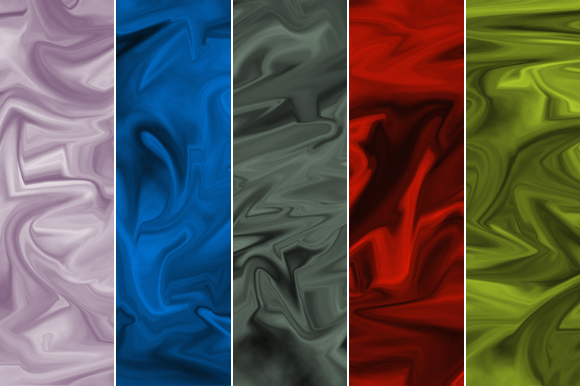
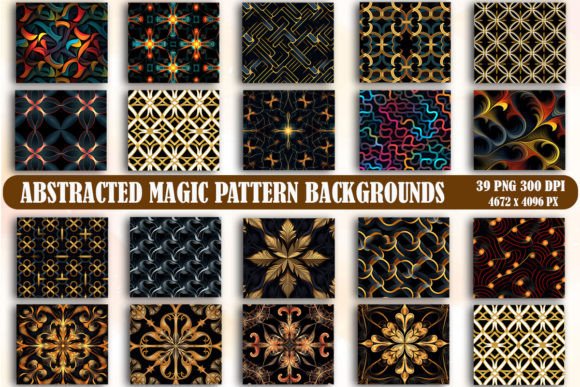
The visual personality of this collection is defined by its intricate layering and rich color palettes. Unlike flat vector art, these textures possess a tactile quality that mimics physical media or digital nebulae. The "magic" aspect comes from the way light and shadow interact within the abstract shapes, creating a dynamic flow that guides the viewer's eye. For a designer, this means you are working with assets that already possess a strong visual hierarchy. You do not need to add excessive effects to make the background interesting; the Abstracted Magic Pattern Backgrounds provide a sophisticated base that supports the foreground content rather than competing with it.
Practical Applications for Modern Creators
Understanding where to deploy these assets is key to maximizing their value. Because the files are provided at high resolution (300 DPI) and substantial dimensions (approx 4672 x 4096 px), they are incredibly versatile. Here is how different professionals can integrate them into their workflows:
- Web Design and UI: In the realm of web design, a hero section needs to grab attention immediately. Using an abstracted magic texture as a full-width background creates an immersive experience. However, it is crucial to ensure contrast with text. These backgrounds work best when overlaid with semi-transparent shapes or when used behind bold, legible typography.
- Brand Identity: For businesses in the entertainment, beauty, or creative coaching sectors, these patterns can define a brand identity. They work exceptionally well for business cards, presentation templates, and social media covers, providing a consistent "world" for the brand to live in.
- Publishing and Editorial: Book covers, particularly in fantasy or self-help genres, benefit greatly from mysterious textures. The Abstracted Magic Pattern Backgrounds can set the mood instantly, whether it is for a magazine spread or a digital e-book cover.
- Physical Products: Do not overlook print. The high DPI ensures that these files translate beautifully to packaging design, scrapbooking, and custom stationery. The intricate details remain sharp even on large format prints like banners or posters.
Design Strategy and Visual Hierarchy
One of the most common mistakes in graphic design is using a background that is too "loud," making foreground text unreadable. When working with Abstracted Magic Pattern Backgrounds, you must treat the background as a supporting actor, not the lead. Here is a practical approach to maintaining readability:
- Color Overlays: Apply a solid or gradient color overlay with low opacity to darken or lighten the background. This pushes the pattern back visually, allowing white or black text to pop.
- Focal Blur: If the digital context allows (like a website header), apply a slight Gaussian blur to the background image. This mimics depth of field and keeps the user's focus on the call-to-action button.
- Containerization: Place your text inside solid boxes or cards with slight transparency. This creates a safe zone for legibility while allowing the whimsical pattern to peek through around the edges.
The versatility of these textures allows them to adapt to various modern typography styles. Whether you are pairing them with a clean sans serif font for a tech-forward look or a flowing script font for a more romantic vibe, the backgrounds provide a neutral-yet-engaging field of play. They are particularly effective when used behind display font headlines, where the intricate details of the typeface can interact with the texture without the need for reading long paragraphs of body text against the pattern.
Technical Considerations for Seamless Integration
From a technical standpoint, working with a package of 39 PNG files requires a bit of organization. Since these are not layered files and cannot be ungrouped for cutting machines, they are best utilized in software like Adobe Photoshop, Illustrator, Canva, or Procreate. The large file size is a significant advantage; it means you can crop into specific sections of the pattern to create entirely new compositions without losing quality. This is essentially giving you a library of textures within a single image.
For those working in packaging design or large-scale printing, the 300 DPI specification is non-negotiable. It ensures that the gradients remain smooth and the abstract shapes do not pixelate. When resizing, always maintain the aspect ratio to prevent distortion. If you are using these for social media graphics, remember that mobile screens compress images. Therefore, choosing the most vibrant section of the texture is often more effective than showing the entire pattern at a small scale.
Choosing the Right Aesthetic
With 39 options, selection can be overwhelming. Evaluate your project's emotional goal before choosing a file. Are you aiming for "whimsical" or "mysterious"? The whimsical patterns often feature lighter, more airy arrangements suitable for lifestyle blogs or children's education materials. The mysterious textures tend toward deeper tones and complex intersections, ideal for music promotions, nightlife events, or luxury branding.
Ultimately, Abstracted Magic Pattern Backgrounds are tools for storytelling. They provide the atmosphere so that your typography and messaging can provide the narrative. By integrating these high-resolution assets thoughtfully, you elevate a standard layout into a piece of abstracted art